Pay by Phone Meaning Has Changed: Why the Wording Is Confusing
The phrase “pay by phone” used to have a fairly straightforward meaning in the world of online payments — generally referring to direct carrier billing where charges would appear on your mobile phone bill. However, as mobile commerce has evolved rapidly over the past decade, and as operators and fintech companies strive to optimize user experience, the exact definition of “pay by phone” has mobile payment security guide become muddled and confusing.
Whether you’re a regular player at UK-facing casinos like MrQ or just someone managing personal finances via mobile banking apps and digital wallets, it’s crucial to understand what “pay by phone” means today — especially since poor terminology can lead to frustrated users and costly misunderstandings.
From Desktop-First to Mobile-First: The Shift in Casino Cashier Pages
In the early days of online gambling and fintech, cashier or checkout pages were primarily designed for desktop browsers. This limited payment options were explicitly listed — usually bank transfers, credit/debit cards (like Visa Debit), and simple mobile phone billing via direct carrier billing. So anyway, back to the point.
Today, mobile devices dominate online traffic and transactions. This shift has pushed operators to rethink their deposit flows and payment language entirely:
- Mobile-first design: Payment options are now optimized for small screens and touchscreen interaction.
- New payment tools: Digital wallets—like Apple Pay, Google Pay, PayPal—and mobile banking apps have reduced friction and boosted convenience.
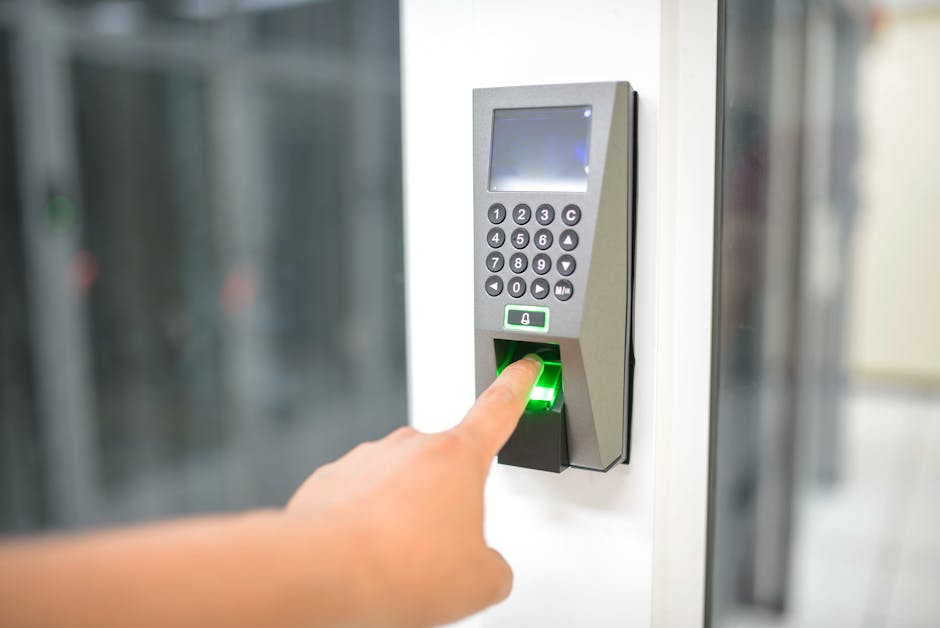
- Authentication evolution: Biometrics and two-factor authentication have become commonplace in the user experience, improving security but adding layers that were previously absent.
Because mobile devices are so versatile, the phrase “pay by phone” no longer describes a single payment method or experience. Instead, it covers a broad spectrum of mechanisms that can be confusing for end users.
The Crucial Difference: Direct Carrier Billing vs Paying on a Smartphone
At the core of the confusion is the ambiguity between two distinct concepts:
- Direct carrier billing (often called “charge to phone bill”) — this enables players to top up their online casino balance by charging deposits directly to their mobile network bill. This does not require a credit/debit card or bank account, but it is limited by operator caps and can incur higher fees.
- Paying on a smartphone or mobile device using digital wallets or mobile banking apps — this includes options like Apple Pay, Google Pay, and bank app transfers. Although these methods are made on a phone or tablet, they do not charge your mobile network bill.
Mixing these two under the generic label “pay by phone” is misleading—especially for new players who assume their mobile carrier will be billed directly when in fact they might be using a digital wallet or Visa Debit card stored on their phone.
Direct Carrier Billing Explained
Direct carrier billing remains a key deposit method at certain UK-friendly casinos, including MrQ. Because of its convenience and speed—no need to enter card details every time—it’s attractive to many. UK regulators including Ofcom oversee aspects of mobile billing transparency and consumer protection to reduce the potential for overspending.

Key points:
- Charges appear on your monthly mobile phone bill or are deducted from prepaid balances.
- Deposit limits and spending caps apply to prevent misuse.
- Usually slow to refund compared to card or e-wallet deposits due to telecom operator processes.
- Does not require a mobile smartphone or app; it works on feature phones with SMS.
Paying on a Smartphone with Digital Wallets and Mobile Banking
Here's a story that illustrates this perfectly: was shocked by the final bill.. On the other hand, the rise of digital wallets and mobile banking apps has revolutionized how we deposit money online. These methods offer fast, often instant, payments with enhanced security via biometrics like fingerprint or facial recognition. Go to this site
For example:
- Visa Debit cards, widely used in the UK, can be saved inside digital wallets like Apple Pay.
- Mobile banking apps let users transfer funds directly at checkout, supported by open banking APIs.
- Biometric authentication facilitates seamless but secure rapid checkout on smartphone browsers.
Unlike direct carrier billing, these methods draw funds directly from your bank account or card, not your mobile phone plan. Customers often misinterpret this and blame “pay by phone” for unexpected charges on their bank statement instead of the mobile bill.
Digital Wallets and UX Improvements Reduce Checkout Friction
One huge driver behind the confusing mobile payment language is that operators want to promote convenience—which digital wallets and mobile banking can unlock:
- Smooth one-tap deposits via Apple Pay or Google Pay bypass typing card numbers.
- Biometric logins reduce the need for passwords, aligning with modern UX patterns.
- Fewer typed steps means lower chance of users abandoning deposits midway.
As a consequence, cashier pages and affiliate sites may label payment options simply as “Pay by Phone” or “Mobile Payment,” lumping very different payment ecosystems together to reduce clutter or for marketing reasons.
For example, MrQ’s cashier might offer direct carrier billing alongside Apple Pay and Visa Debit embedded in mobile wallets but uses a generic pay-by-phone label for all. Without proper clarity, this raises risk of user dissatisfaction or mistaken eligibility, especially when minimum deposit amounts and transaction times vary.
Why Clear Mobile Payment Language Matters
Terminology accuracy has never been more critical given the widespread use of mobile devices for gambling and financial transactions:
- Regulatory compliance: UK authorities demand transparency in payment methods and financial advertising, including actions by Ofcom influencing carrier billing practices.
- User trust: Clear wording avoids undermining player confidence.
- Reducing support tickets: Prevent common questions about deposits not appearing or refunds delays stemming from misunderstanding payment types.
- Affiliate marketing clarity: Affiliates promoting offers must accurately explain deposit methods and limits to prevent misleading claims.
Best Practice Terminology to Avoid Confusion
Based on my 8 years working with UK-facing casino affiliates and fintech brands, here are recommendations:
Payment Type Preferred Wording Explanation Direct Carrier Billing “Charge to mobile phone bill” or “Deposit via carrier billing” Explicitly states charges go to mobile phone plan, not card or bank Apple Pay / Google Pay / Samsung Pay “Pay with Apple Pay on your phone” or “Digital wallet payment” Clarifies this is a digital wallet, not a mobile phone network charge Mobile Banking Apps “Deposit via your mobile banking app” Emphasizes use of the bank’s app rather than carrier billing or digital wallet Debit Cards (e.g. Visa Debit) “Pay by Visa Debit card” or “Card payment” (optionally note saved in wallet) Separates card payments from phone billing and digital walletsConclusion
The meaning of “pay by phone” has undeniably evolved as technology has advanced—transitioning from a narrow term referring to carrier billing, to an umbrella phrase that can mean multiple mobile-based payment paths. This shift is driven by the massive mobile-first transformations in casino cashier pages, fintech innovation in digital wallets, and enhanced user authentication techniques.
However, the continued ambiguous and salesy use of “pay by phone” risks confusing users and misrepresenting how payments actually work. UK operators, including brands like MrQ, and affiliates, must aim for clear, accurate, and jargon-free language when describing mobile payments. Following Ofcom guidance and carefully distinguishing between carrier billing and wallet-based payments will build user trust, reduce complaints, and improve conversion rates.
Finally, remember that no payment method—whether charging to a phone bill, using Apple Pay, or a Visa Debit card—is risk-free; careful responsible gambling measures and user verification remain essential parts of the payment experience.