What Is the Real Footprint Difference Between One Casino Cabinet and One Phone?
If you’ve ever walked into a MrQ Casino or any other gaming floor, the sheer size of slot machine cabinets tends to catch your eye. In contrast, we all carry smartphones in our pockets daily, making it easy to forget just how massive the average casino cabinet really is compared to a single mobile device.
This post unpacks the real footprint difference between one casino slot machine cabinet and one smartphone. We’ll dissect how mechanical constraints and technological shifts have shaped cabinet sizes, why the cabinet footprint extends beyond just the reel or video screen window, and how video slots actually grew larger before mobile gaming influenced their miniaturization. Plus, a crucial note on how diagonal screen measurements and aspect ratios can mislead your perception of device size.
Historical Roots: Mechanical Constraints and Early Cabinet Sizes
The physical size of slot machine cabinets isn’t arbitrary; it’s rooted in mechanical realities and user accessibility shaped over decades. While California Office of Historic liberty bell slot Preservation provides keen historical insight into early casino designs, a bit of behind-the-scenes understanding helps put it in perspective.
Why were early cabinets so large?
- Mechanical linkages and reel assemblies: Early slot machines were fully mechanical, relying on gears, levers, springs, and physical reels to display combinations. This mechanism needed space beyond the visible window to operate smoothly and be serviced.
- Durability and stability: Big, bulky cabinets ensured the machines wouldn’t tip or be easily tampered with.
- Player interaction: The cabinets needed room for coin slots, payout trays, buttons (later touchscreens), and displays—all arranged ergonomically for standing or seated gameplay.
In short, the entire machine's footprint extended well beyond just the "reel window" players focused on. The cabinets were often designed with enough clearance to allow for technical maintenance and to fit comfortably https://xn--toponlinecsino-uub.com/why-can-digital-reels-do-things-mechanical-reels-cannot/ in a crowded casino floor layout.
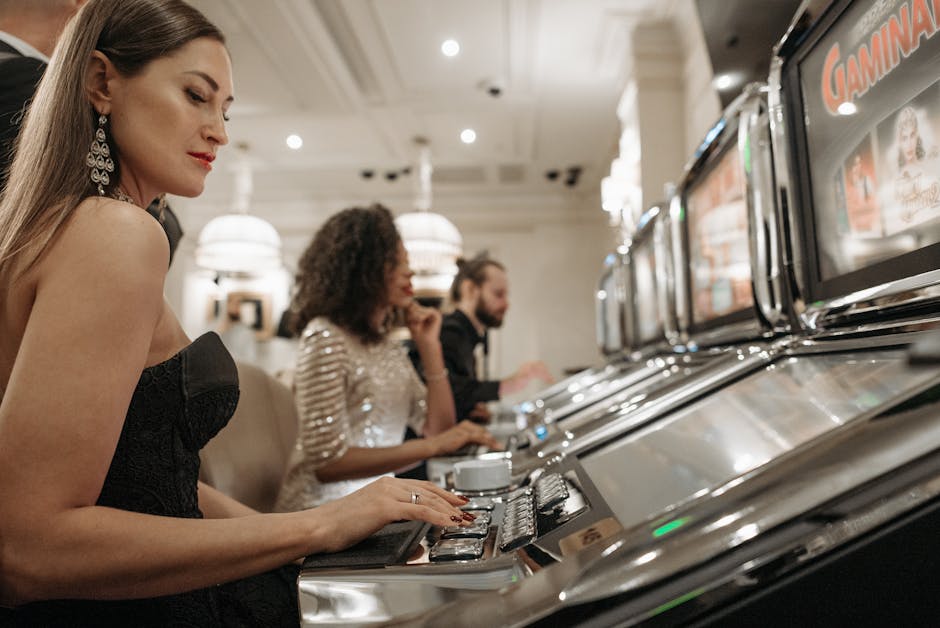
Understanding Cabinet Footprint: More Than Just Screen Size
When we talk about cabinet footprint, it's tempting to snapshot just the visible screen or reel display. However, the true footprint includes space under and around the machine necessary for:
- Mechanical or electronic components inside
- Controls and coins or ticket acceptors
- Circulation space for players and floor staff walking around
The cabinet plus circulation space is critical. Casinos must design floor layouts that accommodate player comfort and regulatory requirements (something the California Office of Historic Preservation also considers in preserving gaming heritage venues). So when you factor in walking aisles and player accessibility, the occupied floor area per machine increases significantly beyond just the slot machine base dimensions.
Typical cabinet footprint dimensions
Machine Type Cabinet Base Size (WxD) Estimated Circulation Space per Machine Total Approximate Floor Area (sq. ft.) Classic Mechanical Slot ~2.5 ft × 2.5 ft ~3 ft around for player movement ~16 sq. ft. Video Slot Machine ~3 ft × 3 ft (larger screen and controls) ~3.5 ft buffer ~25 sq. ft.This floor area includes the machine’s base plus clearance for players to approach, stand, and interact comfortably. The numbers may fluctuate slightly per casino floor, but it’s a useful working estimate.
Smartphones and Portable Devices: Tiny, But Complex
Now contrast this with your everyday smartphone—an object whose entire physical footprint fits in your palm and pocket. The typical modern smartphone's footprint is approximately:
- Height: 5.5 to 6.5 inches (about the length of a pen or pencil)
- Width: 2.5 to 3 inches
- Depth: under 0.4 inches
- Screen Size: measured diagonally around 6 to 7 inches
Smartphones are marvels of miniaturization, but this size relates only to the device you hold. They have no "circulation space" requirements because they’re personal and portable. This is a core difference that makes direct footprint comparisons tricky.
The Smartphone’s Diagonal Size: What It Means and Doesn’t
Speaking of screen sizes, the measurement often thrown around is the diagonal—say, “6.7-inch display.” But be warned: this diagonal doesn't reveal the full story about how much screen area you actually get or how easy it is to use. For example, two phones with the same diagonal but different aspect ratios (like 16:9 vs. 19.5:9) may feel drastically different in hand spacing.
Moreover, smartphone UIs are designed to be finger-thumb friendly, meaning key icons and touch targets must fit comfortably within thumb reach when holding the device one-handed. This ergonomic principle is irrelevant for slot cabinets, which are designed for standing or seated use at arm’s length.
Video Slots: Bigger Screens Before Mobile Made Them Smaller
Before mobile gaming came on the scene, video slot machines saw a trend of increasing screen sizes and cabinet footprints:
- Larger video displays: To attract players visually, cabinets often featured bigger, higher-resolution screens, sometimes exceeding 27-30 inches diagonally.
- Multi-screen and secondary displays: Dual screens showing bonus games or player information increased the cabinet dimensions—and foot area.
- Immersive designs: Some cabinets included dynamic lights and physical movement components, adding to size and space requirements.
This trend reversed with mobile gaming’s rise. Players can now access thousands of games on devices far smaller than a traditional cabinet, and operators like MrQ Casino emphasize seamless mobile platforms that reduce dependence on physical machines altogether.
Comparing the Real Footprint: Cabinet vs. Phone
Let’s drive the point home with a direct comparison:
Device Typical Footprint (WxD) Diagonal Screen Size Included Circulation / Handling Space Notes Slot Machine Cabinet 2.5 – 3 ft × 2.5 – 3 ft (30"–36" each side) 27" – 32" ~3 ft clearance around for player movement Bulk includes electronics, mechanical parts, coin/ticket storage Typical Smartphone 2.5 – 3" × 5.5 – 6.5" (roughly a large pencil) 6" – 7" None (handheld) Portable personal device with touch UI optimized for thumbsWhat does this tell us?
- The cabinet’s base footprint is roughly 10x to 15x larger in linear dimensions than the phone's footprint—and floor space including circulation pushes that difference well over 100x.
- The diagonal screen size famously cited on devices misleads because it doesn’t linearly relate across device classes—27" on a slot cabinet is not just “4x bigger” than 6" on a phone; the usable screen area and interaction distance differ massively.
- The portability of smartphones eliminates the need for circulation space, which is essential for floor machines where players stand or sit.
Final Thoughts: Why Context Matters When Talking Size
When you drop buzzwords like “large-screen” or “portable” in the gaming tech world, remember that dimensions, interaction methods, and space requirements all matter:

- Mechanical constraints: Historically dictated cabinet sizes that dwarfed what mere display size hints at.
- Full footprint vs. point measurement: Measuring devices just by diagonal inches or frontal screen counts misses the full picture.
- Context of use: Clearing enough space around a slot machine for comfortable play is a luxury no phone needs.
Players at casinos such as MrQ Casino experience this daily as they navigate aisles framed by rows of huge, robust cabinets—a stark physical presence contrasted by the lean portability of smartphones providing thousands of games in your pocket.
Ultimately, the next time someone says “the screen is 32 inches diagonal,” ask: “But what about the full footprint, and the space needed to actually play?” The answer might just surprise you.
Related Tools for Size Comparison
If you're curious to compare device sizes yourself, here are invaluable tools:
- Smartphone Size Comparison Apps: These apps show device dimensions side-by-side so you can grasp physical scale beyond a screen. Try out models from Apple, Samsung, or Google.
- Desktop Monitor Rulers and Measurement Overlays: Useful for estimating space usage on physical desks or casino floor areas when planning.
Both these help translate abstract numbers into relatable spatial understanding, much like knowing a 6" phone is about the length of a normal pencil, and a casino cabinet base matches or surpasses the size of a car’s trunk floor.